
The pearl rib is one of the most textured and expressive stitch patterns you can create on a double-bed knitting machine.
The fabric turns out springy, dimensional, stretches well in width and holds its shape beautifully. This type of ribbing is perfect for sweaters, cardigans, cowls, cuffs, bands, and any project where texture and a clean, structured look are important.
In this tutorial, I will show you how to knit the pearl rib with an ordinary, low-elasticity cast-on edge.
This type of edge is especially useful when you want the lower part of a garment to stay stable and not stretch out during wear.
Below you will find the step-by-step instructions, carriage settings, recommendations for proper weighting, and tips for achieving a clean and elastic bind-off — along with an explanation of why this method works so well.
Before diving into the full instructions, take a moment to watch this short YouTube video.
It will give you a clear visual idea of how the pearl rib is formed on the knitting machine, and the step-by-step guide below will be much easier to follow afterward.
What You Will Need
- Double-bed knitting machine, 5th gauge
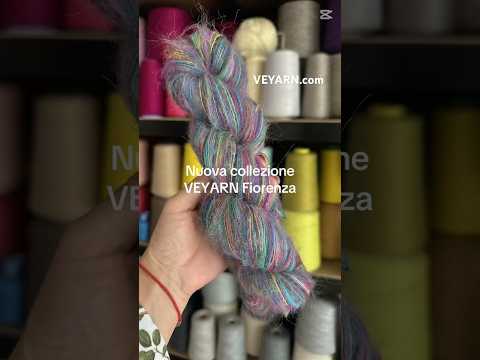
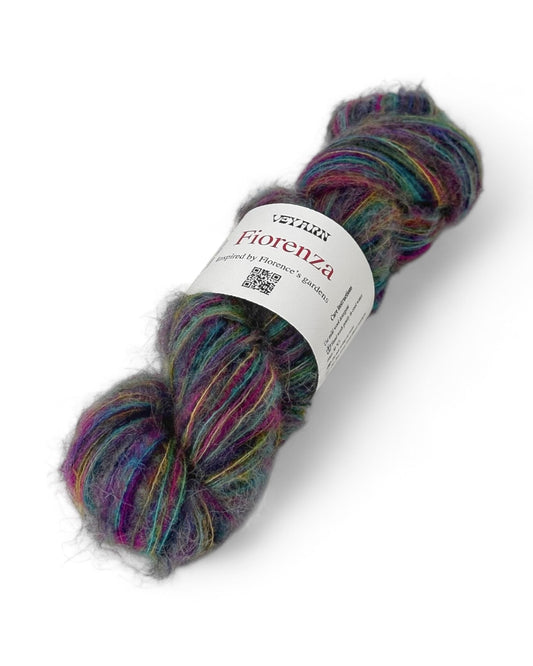
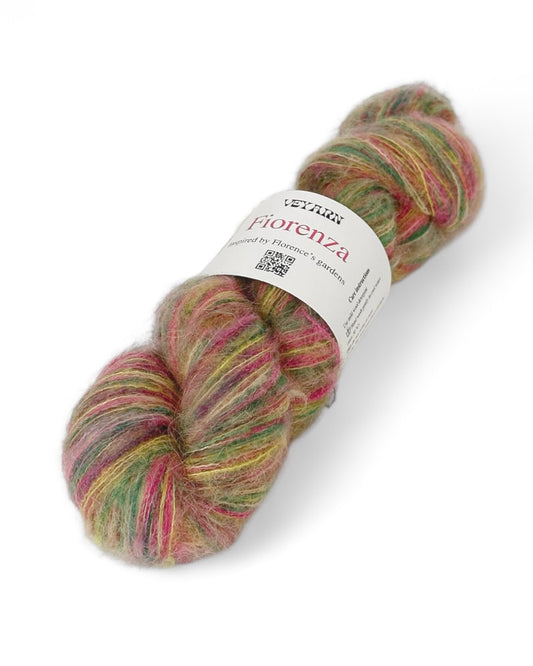
- Yarn — in this example: 300 m / 100 g, a blend of 60% alpaca and 40% merino wool from the VEYARN shop
- 1×1 needle ruler for setting the needles evenly
- Double-bed cast-on comb (tension comb for ribbing)
- Main and side weights for proper tensioning
- Double-ended transfer tool (two-prong tool) for moving stitches
-
Scissors (if needed)
Step 1. Preparing the Needles: 1×1 Rib Setup
For this sample, we are using 50 needles.
Bring the needles into a 1×1 arrangement using the needle ruler.
On the back-bed:
— on the left, start from needle 24
— on the right, work up to needle 25
On the front-bed:
— on the left, bring out needles starting from 25
— on the right, up to needle 24
📌 Important: set the lever on the front-bed to position P.
This creates the cast-on setup for working a 1×1 rib.

Step 2. First Row and Circular Knitting
The carriage is positioned on the left.
Set the tension to 0–0.
Thread the yarn and knit one row.
Attach the double-bed cast-on comb.
Hang the main weights. Switch the carriage to tension 1–1.
Turn on circular knitting mode.
Knit 2 circular rows.
Turn off circular knitting.
Knit 1 row across all needles (front-bed + back-bed).

This step creates a stable cast-on edge.
Step 3. Setting the Carriages for the Pearl Rib
On the front carriage:
- Lift the tuck lever
- Raise the right button (the one used for circular knitting)
On the back carriage:
- Press the left tuck button
The carriage will work as follows:
- Left to right: the back-bed knits while the front-bed forms tucks
- Right to left: the front-bed knits while the back-bed forms tucks
☑ This alternating action creates the structure of the pearl rib.

Step 4. Weights — a Required Element
Pearl rib requires good tensioning; otherwise, stitches may drop.
For a 50-needle sample, use 2–3 main weights.
For wider fabric, use 3, 4, or even 5 weights.
If needed, hang light side weights (“sevens”) on the edges — especially if the carriage tends to drop the outer stitches.
Begin knitting the pearl rib.
Every 2 rows, increase the tension on the carriages by one step: 2–2, 3–3, 4–4, and so on, until you reach your working tension.
In my example, I increase up to tension 8–8.

Step 5. Knitting the Rib
Continue knitting the pearl rib to the desired height.
Step 6. Transition to the Bind-Off
When the desired height is reached:
- Make sure the carriage is positioned on the left.
- Turn off all levers used for knitting the pearl rib.

- Knit one row of standard 1×1 rib — this row stabilizes the fabric.
- Transfer all stitches from the front-bed to the back-bed.

Step 7. Binding Off the Stitches
Bind off the stitches on the back-bed.
📌 Binding off over one gate peg
- creates a firm, tight edge
- can be used only when you intentionally need a non-stretching lower edge
✔️ Binding off over two gate pegs
- produces an elastic, soft, flexible edge
- closely matches the natural width of the pearl rib
- perfect for upper edges, shoulder seams, and any areas that should not be pulled too tight
In this example, we use the two-peg bind-off to keep the edge elastic and neat.

How the Result Looks
The cast-on edge is denser and less stretchy, helping to stabilize the width of the fabric.
The upper edge (finished with the two-peg bind-off) is soft, flexible, and stretches almost as well as the ribbing itself.
This combination is perfect for sweaters, cardigans, and garments that require a firm lower edge with a more elastic and mobile top.


🔜 Next Lesson
In the next tutorial, I will show you
how to knit the pearl rib with a fully elastic cast-on edge
that stretches just as freely as the fabric itself.
From the bottom of my heart — thank you for being here
If you enjoyed this tutorial, I would truly appreciate your comments and your support on my social media.
Please remember: this lesson is based on my personal experience and is not an absolute rule for knitting the pearl rib — every knitter has their own techniques and approaches.
If you like my style of work and the way I explain things, I’d be happy to have you stay connected:
leave a comment, follow me on social media, and of course, visit my shop for beautiful yarns.
Your support inspires me to create more tutorials and share my knowledge with you.